

In our experience, most buyers and investors focus heavily on price and potential income when purchasing a commercial property but overlook other factors that can impact their investment just as much.
For example, we often see lease terms, operating expenses, maintenance needs, and future capital costs eat into the returns buyers and investors expect.
A thorough commercial property evaluation can help you look beyond the asking price and better understand the property’s financial performance, potential risks, and long-term investment potential.
In this article, we’ll share some of the key factors to consider when evaluating a commercial property investment.
1. Evaluate the Location and Market Demand
A commercial property can have strong numbers on paper, but those numbers may be difficult to sustain if there isn’t enough demand for that type of property in the local market.
Before investing, you should look at both the broader market and the property’s specific location to understand what could support—or limit—future occupancy, rents, and resale value.
Always consider factors such as local vacancy rates, rental trends, recent sales, new development, population and employment trends, and the businesses and industries driving demand in the area.
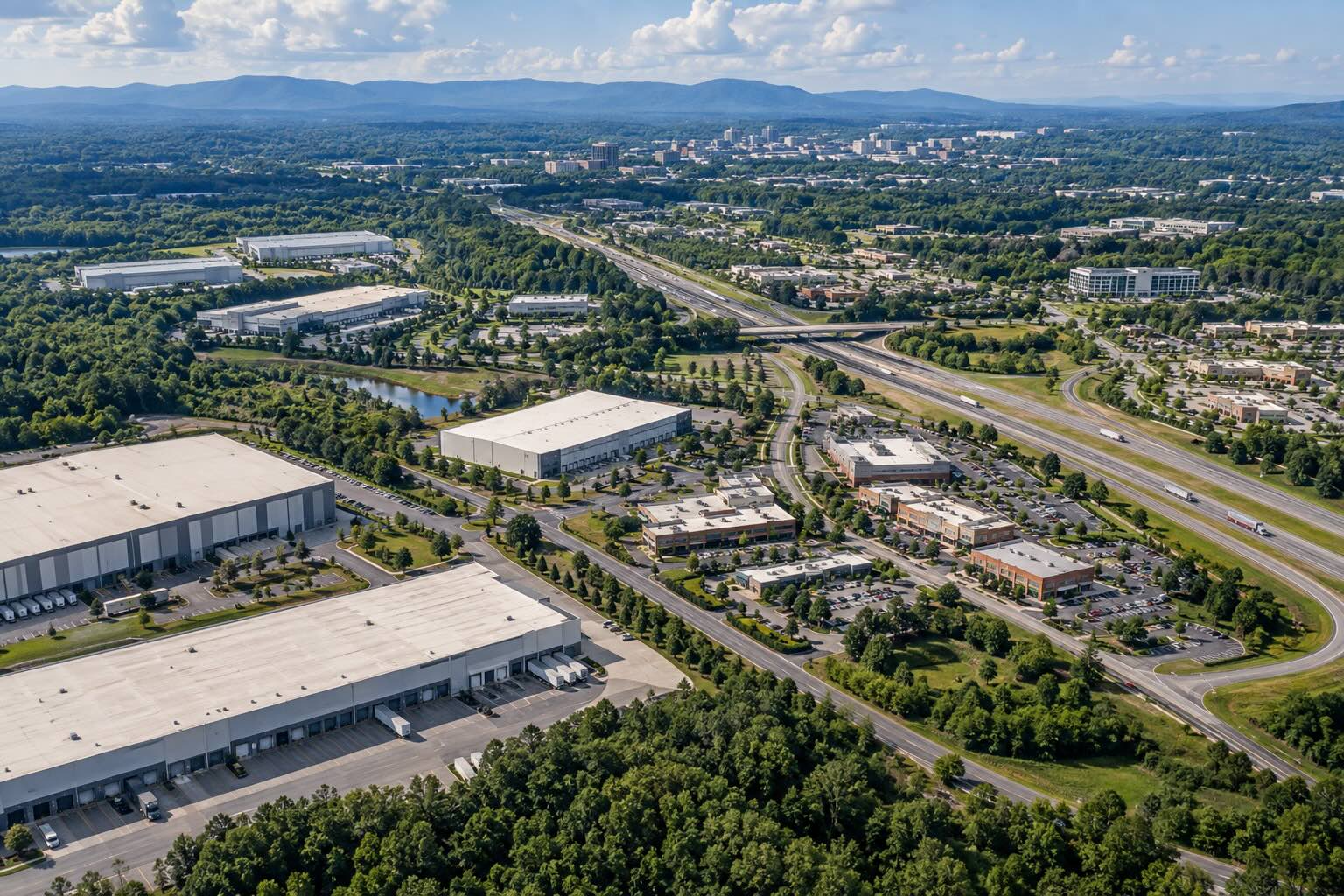
It’s also important to look at the property itself, including road access, visibility, traffic, parking, nearby businesses, surrounding land uses, and access to utilities or infrastructure.
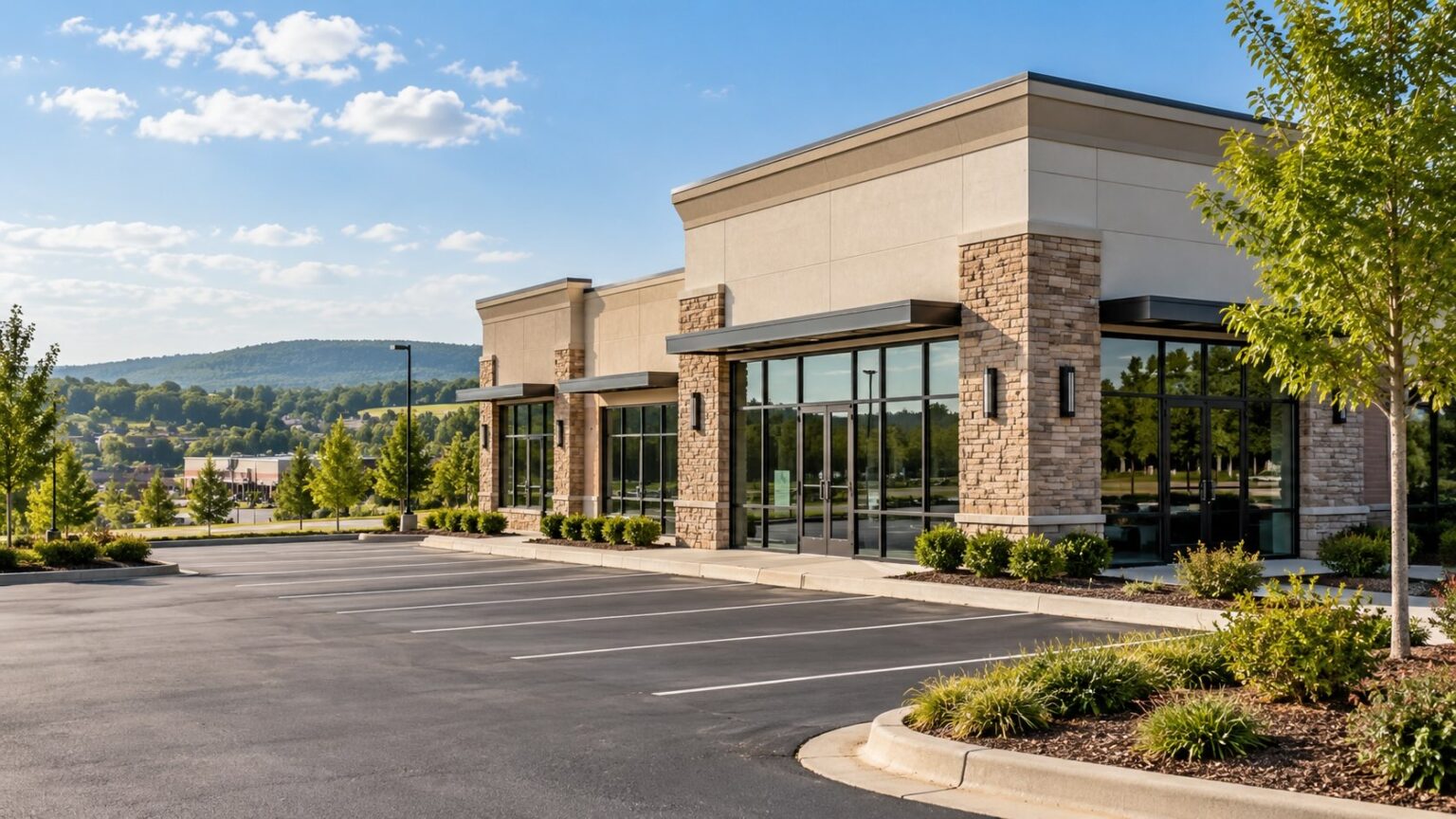
You should also consider these factors in the context of the property type. For example, visibility and traffic are important for a retail property, while highway access, loading capabilities, and proximity to customers or suppliers may carry more weight for an industrial property.
When evaluating properties in markets such as Seneca, Easley, or Lavonia, compare the property with similar properties in the same area rather than relying only on broader regional or national trends.
You should know whether demand is strong enough to support the property today and how well the location is positioned to remain competitive over time.
2. Analyze the Property’s Income and Operating Expenses
The income a commercial property generates is an important part of its value, but gross rental income doesn’t tell you how much the property is actually earning. Always find out what it costs to operate the property and whether the income you’re using to evaluate the investment is sustainable.
Start by reviewing the property’s current rental income, occupancy, lease rates, and any additional sources of income. Compare current rents with similar properties in the local market, particularly if your projections assume rents will increase after the purchase.
If the property has vacant space, consider both the potential rental income and the time and costs required to lease it.
On the expense side, review costs such as property taxes, insurance, utilities, maintenance, property management, landscaping, and other recurring operating expenses. You can look at historical operating statements, which can help you understand what the property has actually cost to operate rather than relying only on projected expenses.
These figures can then be used to determine the property’s net operating income (NOI):
Net Operating Income (NOI) = Effective Gross Income − Operating Expenses
NOI provides a clearer picture of the income the property generates from its operations before financing costs and income taxes.
It is also an important figure for evaluating the property’s value and calculating investment metrics such as its capitalization rate.
3. Measure the Property’s Potential Return
Once you understand the property’s income and expenses, the next step is determining what kind of return the investment could generate. Several metrics can help, and each tells you something different about the property’s financial performance.
One of the most common is the capitalization rate (cap rate), which compares the property’s net operating income to its purchase price or value:
Cap Rate = Net Operating Income ÷ Property Value
Cap rate can be useful when comparing similar investment properties, but you should also consider the location, property condition, tenant quality, lease terms, and other risks.
If you plan to finance the purchase, also consider metrics such as cash-on-cash return, which measures annual cash flow relative to the cash you invest, and debt service coverage ratio (DSCR), which shows whether the property generates enough income to cover its debt payments.
4. Review the Tenants and Lease Terms
If you’re evaluating an occupied commercial property, take a close look at the tenants and the leases already in place.
A property may be fully occupied and generating steady income today, but upcoming lease expirations, unfavorable terms, or reliance on a single tenant can change the investment outlook.
Review each tenant’s lease term, rental rate, renewal options, rent increases, and responsibilities for expenses such as taxes, insurance, maintenance, and utilities. Understanding whether leases are structured as triple net (NNN), gross, or modified gross can also help you determine which operating costs will ultimately fall on you as the property owner.
If a large tenant or several tenants have leases ending around the same time, you could face a drop in income along with costs for improvements, leasing commissions, or other expenses needed to attract new tenants.
Also consider the tenants themselves. Their payment history, financial stability, length of occupancy, and importance to the property’s overall income can help you assess how dependable that rental income may be after the purchase.
5. Assess the Property’s Condition and Future Costs
A property’s current income may look attractive, but its physical condition can have a significant impact on what you actually earn after the purchase.
If repairs, deferred maintenance, and major replacements are needed, those costs can quickly add up and may not be obvious when you first evaluate the property.
Before purchasing, assess the condition and remaining useful life of major components such as the roof, HVAC systems, electrical and plumbing systems, structure, parking areas, drainage, and other building systems.
Also distinguish routine maintenance from larger capital expenditures. For example, replacing a roof, upgrading an HVAC system, resurfacing a parking lot, or making improvements for future tenants can require a substantial investment even when the property is otherwise performing well.
6. Complete Legal, Zoning, and Environmental Due Diligence
Some of the most important factors affecting a commercial property investment may not be visible during a property tour. Zoning restrictions, easements, environmental concerns, or title issues can limit how you use the property and potentially create additional costs after the purchase.
Confirm that the property’s zoning allows for its current use as well as any changes you may have planned. If you plan to expand the building, redevelop the site, or bring in a different type of tenant, check local zoning and permitting requirements before assuming those plans are possible.
You should also review the property’s title, survey, easements, access rights, deed restrictions, and other documents that could affect ownership or use of the property.
Depending on the property and its history, you may also need environmental due diligence to identify potential contamination or other environmental concerns.
Because these requirements can vary by location, work with the appropriate local professionals and government authorities to verify the property’s status and identify potential issues before closing.
7. Evaluate the Financing
Even when a property has strong income potential, the loan’s cost and structure can reduce cash flow or create additional financial risk.
When evaluating financing options, consider the interest rate, down payment, loan-to-value ratio, amortization period, loan term, and closing costs. Pay particular attention to whether the loan includes a balloon payment or will need to be refinanced before you expect to sell the property.
You should also compare the property’s expected income with its debt payments. The debt service coverage ratio (DSCR), for example, can help you determine whether the property generates enough net operating income to comfortably cover its loan obligations.
Your expected cash flow and return should reflect the actual cost of financing the purchase, including how those costs could change if you need to refinance later.
8. Consider the Risks and Exit Strategy
An investment that works under current conditions may look very different if vacancy increases, expenses rise, or a major tenant leaves.
Consider how the property would perform under less favorable conditions. This could include slower rent growth, longer vacancies, unexpected repairs, higher operating costs, or higher financing costs when it is time to refinance. Thinking through these scenarios can help you determine how much room the investment has if performance falls short of your initial projections.
You should also consider your eventual exit strategy. Look at factors that could influence the property’s future marketability, including its location, condition, tenant mix, surrounding development, and demand for that property type.
Evaluating Commercial Property in the Upstate
Commercial property conditions can vary considerably between markets and even within the same market. When evaluating commercial properties, you should always consider local demand, comparable properties, development activity, and other market-specific factors.
If you’re considering a commercial property in Seneca, Easley, Lavonia, or the surrounding Upstate South Carolina and Northeast Georgia markets, the team at Upstate Commercial Hub can help you better understand the local market and available opportunities.
Explore our commercial properties for sale or contact our team to discuss what you’re looking for.